Guide to preparing venue flowers for transport and setup
Venue flowers can look effortless on the day, but behind that calm finish there is usually a fair bit of planning, a few careful hands, and more than one cool bag in the back of a van. If you are arranging blooms for a wedding, corporate event, dinner, or private celebration, the Guide to preparing venue flowers for transport and setup is really about one thing: getting delicate work from studio to site without losing shape, freshness, or impact.
That sounds simple enough. In practice, it is where many floral plans wobble. Stems shift, water spills, petals bruise, and suddenly the elegant centrepiece looks a bit tired before guests even arrive. This guide walks you through the transport and setup process step by step, so you can protect the flowers, save time on site, and end up with a result that feels polished rather than frantic.
Whether you are a florist, an event planner, or someone managing your own venue styling, the basics are the same: prep well, move carefully, set up methodically, and leave a margin for things to go slightly sideways. Because they sometimes do.
Table of Contents
- Why venue flower transport and setup matters
- How the process works in practice
- Key benefits and practical advantages
- Who this is for and when it makes sense
- Step-by-step guidance
- Expert tips for better results
- Common mistakes to avoid
- Tools, resources and recommendations
- Law, compliance, standards, or best practice
- Options, methods, or comparison table
- Case study or real-world example
- Practical checklist
- Conclusion
- Frequently asked questions
Why Guide to preparing venue flowers for transport and setup Matters
The reason this stage matters so much is straightforward: flowers are at their most vulnerable when they are moved. A bouquet that looked crisp on the workbench can start drooping in a warm car. A tall pedestal arrangement may be fine in the studio, then lean once it hits a few sharp corners in traffic. Even a small tilt can send water across boxes, ribbons, or table linens.
Good transport and setup protect more than appearance. They protect timing. They protect budget. They protect your nerves, too. If you have ever tried to fix a broken stem in a venue corridor five minutes before guests arrive, you already know the feeling. Not glamorous. Not fun. Very avoidable.
There is also the matter of client confidence. For weddings and corporate work especially, the last part of the job is what people remember. If the flowers arrive clean, steady, and ready to style, you create the kind of finish that feels calm and professional. That can matter just as much as the flowers themselves.
Venue flowers also need to work with real-world conditions: narrow doorways, lifts, uneven floors, warm rooms, late schedules, and the occasional venue manager who is trying to get three other suppliers in at the same time. The better your preparation, the less all of that gets in the way.
If you are still choosing a florist or building a supplier relationship, it can help to understand the business side too. Pages such as about the florist and service guarantees are useful for checking how a team handles quality and reliability before the event day arrives.
How Guide to preparing venue flowers for transport and setup Works
The process is usually best thought of as three phases: prepare, move, and install. Each phase has its own logic.
1. Prepare the arrangements for travel
This starts in the studio. Flowers are conditioned, stems are cut cleanly, water sources are secured, and the arrangement is checked for balance. Tall elements may need hidden support. Loose stems are tightened. Any fragile materials, such as dried grasses or delicate orchids, may be positioned so they do not get crushed.
2. Move them in a way that reduces stress
Transport is less about speed than stability. Boxes should stop the flowers sliding around. Larger pieces may need crates, non-slip mats, or custom supports. Vehicles should be cool enough to avoid heat stress but not so cold that sensitive blooms get shocked. A rushed load-in is usually where the damage starts, truth be told.
3. Install with a clear plan
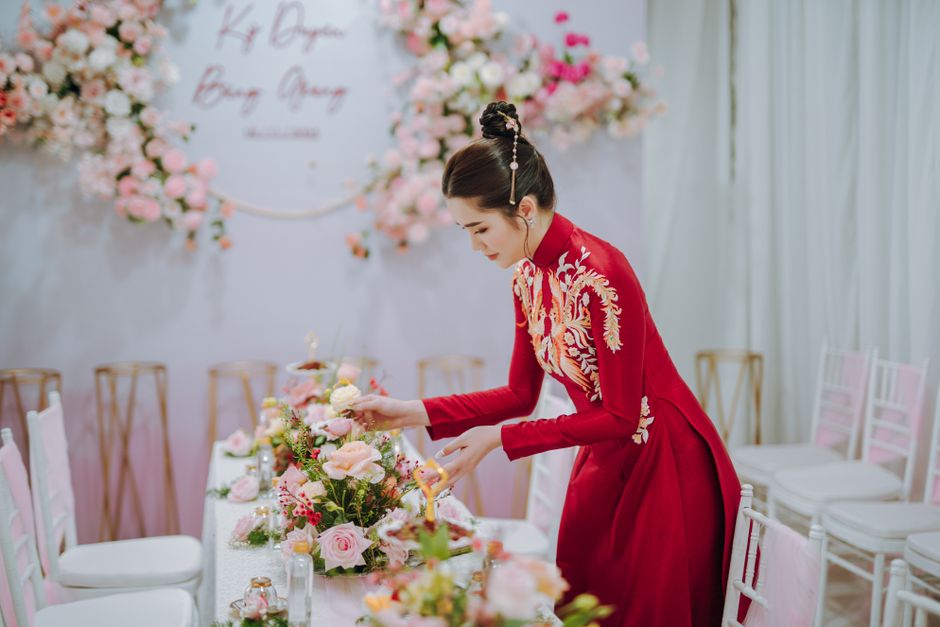
Once on site, arrangements need to be placed in the right order. Large focal pieces usually go first, then table flowers, then finishing touches like bud vases, aisle markers, or entrance details. A good setup plan avoids backtracking, which is where petals get knocked and water gets spilled.
The whole thing works best when someone is in charge of sequencing. Who unloads? Who checks water? Who places the first statement piece? Who deals with last-minute changes? Without that, setup can turn into a kind of floral relay race, and not in a charming way.
Key Benefits and Practical Advantages
Careful preparation gives you several clear advantages, and they are not just cosmetic.
- Better flower condition on arrival: Less bruising, less wilt, fewer crushed petals, and a better chance of the flowers looking fresh throughout the event.
- Faster setup: If arrangements are packed and labelled properly, installation is smoother and much less chaotic.
- Lower waste: Fewer damaged stems means fewer replacements and less last-minute expense.
- More accurate styling: Well-managed transport helps preserve the exact shape and design intended in the studio.
- Less venue disruption: Efficient setup reduces noise, clutter, and the awkward shuffle that can happen during venue turnovers.
- Greater confidence on the day: Everyone works better when they know the flowers are arriving in good order.
There is a quieter benefit too. A controlled process simply feels better. You notice it in the room. The atmosphere changes when the floral team knows what they are doing and does not need to improvise every five minutes.
For clients who care about punctuality and product quality, it is also worth reviewing practical pages like delivery information and flower care guidance, because these help set expectations about freshness, handling, and timing.
Who This Is For and When It Makes Sense
This guide is useful for a few different people, and each group tends to have slightly different concerns.
Florists
If you are delivering finished arrangements to a venue, you need repeatable methods that protect design integrity. That means packaging, load order, and setup planning all matter. A florist may know the mechanics well, but the venue environment can still throw a curveball.
Event planners and stylists
For planners coordinating several suppliers, floral transport is part of a bigger choreography. The flowers may not be the only thing arriving, but they are often the most fragile and visually prominent. So they deserve priority handling.
Couples and private clients
Some clients manage part of their own styling, especially for smaller weddings or intimate events. If that is you, understanding the basics helps you ask better questions and spot weak planning before it becomes a problem.
Corporate teams
Venue flowers for launches, receptions, and hospitality events often need to look sharp within a narrow window of time. If you are ordering regularly, a streamlined supplier relationship can help. Businesses with recurring floral needs sometimes look at corporate account options to keep ordering simpler and delivery more consistent.
When does it make the most sense to use this level of preparation? Almost always for anything larger than a hand-tied bouquet, but especially for weddings, formal dinners, luxury hospitality, and events with multiple installation points.
Step-by-Step Guidance
Here is the practical version. Not the glossy version. The one that actually saves you trouble.
Step 1: Confirm the venue details early
Get the basics locked in: address, access times, loading restrictions, stairs, lift access, parking, and whether someone will be there to receive the flowers. A beautiful design can still be stressful if nobody knows which entrance to use.
Step 2: Match the design to transport conditions
Not every arrangement travels the same way. Low table centres usually move more safely than tall, open, sculptural pieces. If the design is ambitious, plan for extra support before you leave the studio.
Step 3: Condition the flowers properly
Freshly cut stems, clean water, careful hydration, and removal of damaged foliage all help. Flowers that are already struggling will not get better in the van. They just won't.
Step 4: Secure the arrangements
Use boxes, crates, buckets, or containers that hold the flowers upright. If water is needed, keep it stable and sealed where possible. A small leak can become a big inconvenience very quickly.
Step 5: Label everything
Labels should show destination, placement area, and any special handling notes. For example: "top table," "welcome entrance," "keep upright," or "set after candles." Small labels save a lot of guesswork.
Step 6: Load in a sensible order
Put the most fragile pieces where they will not be crushed. Keep heavier items secure. Leave room to move without bumping stems or shaking containers. This is where organisation pays off.
Step 7: Check temperature and timing
Try to avoid leaving flowers in warm vehicles for long periods. If the route includes waiting time, that should be factored into the plan. Morning setups can be easier in summer; winter brings its own issue, because cold air and sudden temperature swings are not ideal either.
Step 8: Unload before fine-tuning
Get everything into the venue first, then begin detailed styling. It sounds obvious, but people do sometimes start adjusting one table while the rest of the load is still in the doorway. Chaos breeds chaos.
Step 9: Install in sequence
Set the biggest visual anchors first, then work down to the smaller details. Step back often. Look at the room from the guest's point of view. What reads well from six feet away? What looks crowded? What needs breathing space?
Step 10: Finish with a quality check
Check water levels, stem positions, symmetry, and any loose petals or debris. Remove packaging. Straighten ribbons. Wipe up drips. Then look again. A second look catches the little things.
Expert Tips for Better Results
A few field-tested habits make a noticeable difference.
- Keep a setup kit ready: Scissors, floral tape, snips, towels, spare ribbon, cable ties, and a rubbish bag. Nothing fancy, just dependable.
- Pre-assign jobs: One person checks containers, one person handles placement, one person handles final styling. It reduces overlap.
- Pack by zone: Group flowers by area of the venue so you are not hunting through boxes on site.
- Allow for one emergency fix: Bring a few spare stems or a small buffer arrangement. Not every event needs it, but when you do, you really do.
- Use soft padding wisely: Tissue or paper can help protect petals, but avoid packing too tightly. Flowers need some breathing room.
One good habit I have seen work again and again: take a quick photo of each finished arrangement before transport. If anything needs rebuilding on site, you have a reference. Simple. Annoyingly effective.
And yes, keep a cloth in the vehicle. Petals, water, pollen, ribbon dust, bits of stem... flowers are lovely, but they are not tidy.
Common Mistakes to Avoid
Most floral transport problems come from a fairly short list of avoidable mistakes.
Leaving arrangements unsecured
Even a small movement in transit can shift the whole design. If an arrangement can slide, it probably will. Usually on the sharpest bend of the route.
Overwatering containers
More water is not always better. Too much can slosh, spill, and weaken packaging. Keep hydration controlled and appropriate for the design.
Ignoring venue logistics
Beautiful flowers do not magically move through a narrow service corridor. Check access properly. Ask about lifts, parking, and timing windows in advance.
Setting up without a plan
If the team arrives and starts asking basic questions on the spot, things slow down. A setup map or placement list helps avoid that pause.
Transporting delicate blooms in heat
Warm vehicles can shorten vase life and soften petals quickly. It may only take a little longer than expected for the damage to show.
Forgetting the venue context
Low light, strong air conditioning, candles, and open doors all affect flower performance. The arrangement should suit the room, not just the mood board.
To be fair, a lot of these mistakes happen because people are rushing, not because they are careless. But the flowers do not know that. They just react.
Tools, Resources and Recommendations
You do not need a mountain of specialist gear, but a few tools make venue flower transport much safer and setup more efficient.
| Tool or resource | Why it helps | Best use |
|---|---|---|
| Floral snips or sharp scissors | Clean cuts reduce stem damage | Final adjustments and emergency trims |
| Sturdy boxes or crates | Keep arrangements upright and protected | Small to medium arrangements, grouped deliveries |
| Non-slip mats | Reduce movement in transit | Vehicles carrying trays, vases, or containers |
| Towels and cloths | Manage spills and condensation | Load-in, setup, and quick clean-ups |
| Labels and marker pens | Speed up unloading and placement | Multi-venue or multi-zone installs |
| Spare stems and foliage | Useful for last-minute fixes | On-site touch-ups |
For the reader who wants to work with a florist rather than manage everything independently, checking the business basics can be sensible too. The site's flower delivery information, returns and refund policy, and payment page help explain what to expect before you book.
If sustainability is part of your decision-making, look at the supplier's approach to sourcing and waste. The sustainability information can be a helpful starting point when you want floral design that feels responsible as well as polished.
Law, Compliance, Standards, or Best Practice
For most venue flower projects, there is no special legal framework aimed only at floral transport. Still, there are a few sensible standards and expectations worth keeping in mind.
Health and safety: Venues generally expect suppliers to work safely, keep walkways clear, avoid spills, and manage boxes or crates so guests and staff are not put at risk. Wet floors, trailing ribbon, and loose packaging can all create avoidable hazards.
Venue rules: Some buildings have their own load-in schedules, access restrictions, or rules about adhesives, open flames, and floor protection. It is always better to check than assume.
Contract clarity: If you are working commercially, make sure the scope of work is clear: who delivers, who installs, who clears away packaging, and what happens if venue access changes. The site's terms and conditions are the sort of page clients should review for that kind of clarity.
Data and privacy: If you are making an enquiry or managing client details, basic privacy expectations matter. Pages like privacy policy and cookie policy show that the business takes user information and site use seriously.
Accessibility and communication: For some clients or venues, access needs may affect delivery timing, entry routes, or setup tasks. Clear communication is usually the best practice here, and it is reassuring when a business also publishes an accessibility statement.
In short: keep the flowers safe, keep the venue informed, and keep the plan realistic. That is the standard that matters most.
Options, Methods, or Comparison Table
There is more than one way to transport venue flowers. The right method depends on size, fragility, distance, and setup complexity.
| Method | Best for | Advantages | Trade-offs |
|---|---|---|---|
| Individual boxed transport | Small to medium arrangements | Simple, tidy, easy to label | Less ideal for very tall designs |
| Crated or tray-based transport | Multiple arrangements or layered pieces | Efficient and stable | Needs good packing discipline |
| Water-held containers | Fresh arrangements that need hydration | Helps keep stems fresh | Higher spill risk if not secured |
| Pre-assembled on-site styling | Large or delicate venue installs | Reduces travel stress on complex work | Requires more time and venue access |
Which one is best? Honestly, the best method is the one that matches the design instead of forcing the design to fit the method. A tall entrance arrangement that travels poorly may be better partly assembled on site. A row of low table flowers, on the other hand, usually benefits from neat boxed transport and quick placement.
That said, there is no prize for overcomplicating it. Simple transport can be the most reliable transport.
Case Study or Real-World Example
Here is a realistic example from a typical venue setup.
A client orders a mix of reception table flowers, a statement arrangement for the welcome desk, and several smaller pieces for a private dining room. The venue has a tight loading window and only one lift shared with other suppliers. Instead of treating everything the same, the floral team splits the work into zones before leaving the studio.
The table flowers are grouped in labelled trays. The welcome piece is packed separately and positioned so it cannot tilt. The smaller dining room stems are kept together with a placement list. On arrival, the team unloads the largest item first, checks the setup route, and installs the welcome desk arrangement before the venue becomes busy.
What made the difference? Not fancy flowers. It was the sequence.
Because the plan was clear, there was no scrambling in the corridor and no awkward rework after the first delivery. The client saw everything settle into place smoothly, and the room felt finished rather than staged halfway through. That calm arrival often matters more than people expect. A beautiful floral design can lose impact quickly if the installation feels messy.
This kind of approach is also why many clients prefer to work with suppliers who can explain process openly, from order handling to aftercare. It builds trust. Quietly, but properly.
Practical Checklist
Use this checklist before flowers leave the studio and again before they go into the venue.
- Confirm venue address, access time, and contact person
- Check whether there are stairs, lifts, parking limits, or loading restrictions
- Prepare flowers with clean cuts and secure hydration
- Inspect each arrangement for balance and weak points
- Pack arrangements in suitable boxes, crates, or containers
- Label every item by room, table, or placement area
- Bring towels, scissors, spare tape, and cleaning cloths
- Assign roles for unloading, placement, and final styling
- Keep flowers out of excessive heat or cold during transport
- Follow a set installation order once on site
- Remove packaging and wipe away spills before leaving
- Do a final walk-through with the venue team if needed
Quick reminder: if the flowers look secure in the studio but are not secure in the vehicle, they are not secure yet.
Conclusion
Preparing venue flowers for transport and setup is not just a logistics task. It is part of the design. Done well, it protects freshness, preserves the look of the arrangements, and makes the whole event feel more composed from the moment the flowers arrive. Done badly, even a lovely arrangement can look tired before anyone has taken a seat.
The good news is that the process is learnable. Once you build a system for conditioning, packing, loading, installation, and final checks, the stress drops fast. You stop firefighting and start delivering work that feels calm, intentional, and properly finished.
If you are booking for a wedding, reception, or corporate event, choose the supplier carefully, ask about delivery and setup, and look for clear expectations around quality, timing, and support. A little preparation goes a long way. A very long way, actually.
Get a free quote today and see how much you can save.
And if there is one final thought to leave with, it is this: the best floral setups do not just arrive beautifully, they arrive ready.
Frequently Asked Questions
How do you prepare venue flowers for transport without damaging them?
Start by conditioning the flowers properly, then secure each arrangement in a stable container or crate so nothing slides. Keep tall pieces supported and avoid overpacking. The aim is to reduce movement, pressure, and heat exposure on the journey.
What is the best way to transport large flower arrangements to a venue?
Large arrangements usually travel best in custom crates, sturdy boxes, or other supports that hold them upright. If the design is especially tall or fragile, some florists prefer partial on-site assembly. That can be the safer choice, even if it takes a bit longer.
How far in advance should venue flowers be prepared?
Most arrangements should be prepared as close to transport time as practical, so they remain fresh and firm. The exact timing depends on the flower types, the venue schedule, and the weather. On busy event days, a good florist will build in a sensible buffer.
How do you stop flowers from wilting during transport?
Keep them hydrated, cool, and stable. Avoid leaving them in hot vehicles, and make sure containers do not tip. Freshness is usually lost through heat stress, poor hydration, or prolonged delay, so those are the main things to control.
Should flowers be fully arranged before delivery or finished on site?
It depends on the design. Many table arrangements can be finished in advance, while taller or more delicate pieces may be safer with some final styling on site. The right answer depends on transport risk and the venue's setup conditions.
What should be included in a flower transport kit?
A sensible kit usually includes scissors, floral snips, towels, spare ribbon, floral tape, labels, rubbish bags, and a few spare stems or materials for emergency fixes. Nothing too glamorous, just practical.
How do florists handle venue flowers in hot weather?
They usually minimise time in warm conditions, keep the vehicle cool where possible, and load flowers carefully to avoid crush damage. Timing matters more in summer, especially for soft blooms that show heat stress quickly.
What is the most common mistake when setting up venue flowers?
The biggest mistake is often poor planning: unclear access details, no loading order, or no assignment of tasks. Flowers can be perfect and still end up stressful if the setup process is chaotic.
Can venue flowers be transported in a normal car?
Smaller arrangements sometimes can, provided they are secured properly and there is enough flat space. For larger or more complex displays, a suitable delivery vehicle is usually the safer option. The main issue is movement, not just size.
What should I ask a florist before booking venue flowers?
Ask how they transport arrangements, whether they set up on site, what information they need from the venue, and how they handle delays or access issues. It also helps to review their delivery information, guarantees, and terms so everyone knows what to expect.
Do venue flowers need special care after they are installed?
Yes, if the arrangement includes fresh water or fragile flowers, a final check helps. Tops up, repositioning, and removing damaged petals can keep the display looking good for longer. A quick aftercare plan is worth having.
Why is setup order important for venue flowers?
Because the room changes as each piece goes in. Large focal arrangements should go first, then supporting flowers, then final details. If you start with the small pieces, you can end up bumping finished work while trying to place the main features. Bit of a headache, that.