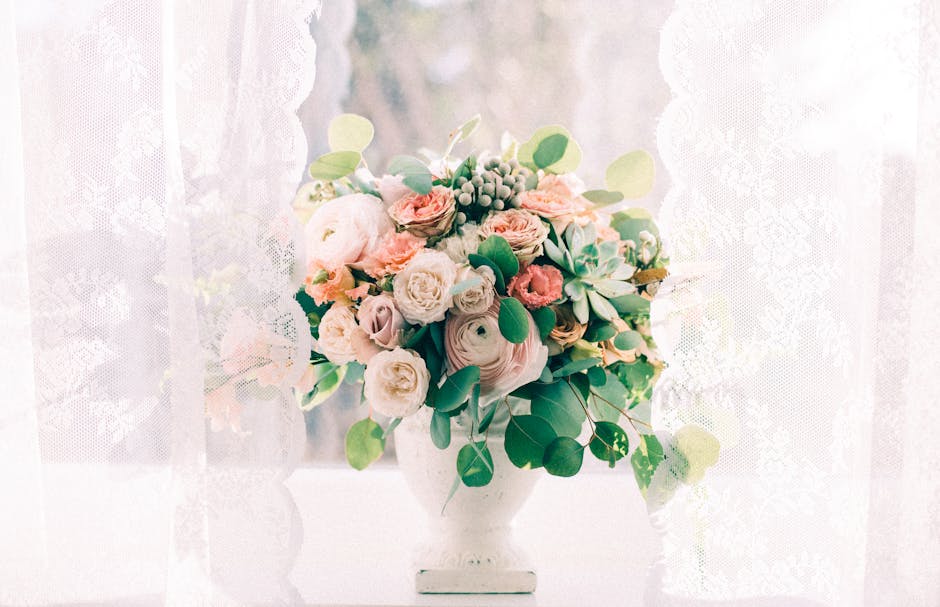
Small-budget wedding floral checklist for under ?500
Planning wedding flowers on a tight budget can feel a bit like trying to decorate a banquet table with a pocketful of petals. But truth be told, a Small-budget wedding floral checklist for under ?500 is absolutely doable if you know where to spend, where to trim, and which flowers do the heavy lifting. You do not need a sprawling floral arch or bucket-loads of roses to make your day feel beautiful. You need a clear plan, a realistic budget split, and a few clever choices that make every stem count.
This guide walks you through the whole thing in plain English: what to include, how to prioritise, where the money actually goes, and how to avoid the classic budget traps. Whether you are working with a florist, styling the flowers yourself, or doing a mix of both, you will leave with a practical checklist that feels manageable rather than stressful. And yes, you can still have lovely flowers that photograph well, smell fresh, and fit the day without the bill creeping into silly territory.
For broader wedding planning support, it can also help to look at related guidance such as wedding florist options in London, bridal bouquet ideas, or even the wider styling approach in our wedding flowers guide. Sometimes one good planning page saves three panicked phone calls later.
Table of Contents
- Why Small-budget wedding floral checklist for under ?500 Matters
- How Small-budget wedding floral checklist for under ?500 Works
- Key Benefits and Practical Advantages
- Who This Is For and When It Makes Sense
- Step-by-Step Guidance
- Expert Tips for Better Results
- Common Mistakes to Avoid
- Tools, Resources and Recommendations
- Law, Compliance, Standards, or Best Practice
- Options, Methods, or Comparison Table
- Case Study or Real-World Example
- Practical Checklist
- Conclusion
- Frequently Asked Questions
Why Small-budget wedding floral checklist for under ?500 Matters
Wedding flowers are one of those details that can quietly eat the budget if you do not keep an eye on them. A few centrepieces here, a bouquet there, maybe a buttonhole for the groom and a couple for the wedding party, and suddenly the total has wandered far beyond what you intended. The point of a small-budget floral checklist is not to make the wedding look cheap. It is to make the spend intentional.
Under a ?500 ceiling, every choice matters. That does not mean compromise in a sad way. It means choosing the right flowers, the right quantities, and the right moments to make an impact. A well-planned small floral scheme often looks more polished than an overfilled one, because it is coherent. The colours work together. The arrangements feel balanced. Nothing looks bolted on at the last minute.
There is also an emotional reason this matters. Flowers set the tone the second guests arrive. They soften a room, add warmth to photos, and help the day feel cared for. For many couples, that little bit of softness is what makes the venue feel like their wedding rather than just a hired space. Especially in a London hall, a village church, or a registry office with not much natural colour going on, flowers do a lot of quiet heavy lifting.
If you are also thinking about how flowers sit alongside the rest of the day, the planning advice in cheap wedding ideas and wedding decor hire can help you decide what should be floral and what can be achieved another way. That balance is where the savings happen.
Expert summary: The best small-budget wedding floral plan is not the one with the most flowers. It is the one that uses a few well-chosen blooms in the places that guests actually notice.
How Small-budget wedding floral checklist for under ?500 Works
The logic is simple: decide the most visible floral moments first, then allocate money to those moments before you spend a penny on extras. In practice, that means starting with the bouquet, the ceremony focal point, and one or two reception features. After that, fill in the smaller details only if the budget still allows it.
Think of your floral budget as a set of containers. If you pour too much into one section, the rest runs dry. A sensible split for a ?500 floral budget often looks something like this:
- Bridal bouquet: the main personal arrangement, usually the most important piece visually
- Bridesmaid bouquet(s) or small posy: optional, but helpful if you want a coordinated look
- Buttonholes or corsages: for groom, partner, parents, or key family members
- Ceremony piece: pedestal arrangement, registrar table flowers, or aisle feature
- Reception flowers: a few table arrangements, bud vases, or one statement display
- Reuse and repurpose: moving ceremony flowers to the reception to stretch the budget further
Under a small budget, the trick is not to buy everything in miniature. It is to create a few moments that look full enough on camera and in person. A single lush bouquet with greenery can have more visual weight than three sparse arrangements. That is why flower choice, shape, and foliage matter so much.
Seasonality is another big part of how this works. In-season flowers are usually easier to source and often offer better value than stems flown in from far away. You also gain more flexibility. If a florist knows you are open on exact bloom variety, they can build something beautiful around what is fresh and available. That flexibility tends to save money. It really does.
For couples who want practical support beyond flowers, pages like full wedding package options or floral arrangement services can help you compare what is worth outsourcing and what you could do yourself. Sometimes a hybrid approach is the sweet spot.
Key Benefits and Practical Advantages
The biggest benefit of a careful floral checklist is control. Once you know the order of priorities, it is much harder for the budget to drift. That sounds obvious, but weddings are full of tiny decisions, and those tiny decisions add up quickly.
Here are the practical advantages couples usually notice:
- Clear budget discipline: you know what each floral element is for before you commit
- Better design consistency: the wedding looks intentional from bouquet to table
- Less waste: you avoid ordering blooms that do not really improve the day
- More flexibility: you can swap flowers, vessels, or quantity without starting from scratch
- Lower stress: fewer moving parts means fewer last-minute surprises
- Stronger value per stem: the flowers you buy are used where they make the most impact
There is also a less obvious benefit: confidence. Couples often feel much calmer once they can see the floral plan laid out in a checklist. You stop wondering whether you have forgotten something important. You know what is covered and what is not. Honestly, that alone can be worth the effort.
And there is something else worth saying. Small budgets sometimes lead to better creative decisions. A florist or stylist working within a tight range has to be selective, which often means the final design is cleaner and more elegant. Less can be more, as the saying goes, although wedding planning does love to test that theory.
Who This Is For and When It Makes Sense
This checklist is a good fit if you are planning a modest or mid-sized wedding and want floral styling without overspending. It is especially useful for couples who:
- have a total floral budget of around ?500 or less
- are booking a registry office, small church, town hall, or intimate venue
- want to focus on a few beautiful features rather than lots of arrangements
- are happy to mix real flowers with foliage, candles, or non-floral decor
- need a plan that works for DIY, florist-led, or hybrid styling
It also makes sense if you are already spending a lot on venue, food, photography, or dress, and flowers need to stay sensible. Not every wedding needs a large floral footprint to feel special. In fact, some of the nicest small weddings we see are the ones where the flowers are carefully edited rather than packed into every surface.
If you are getting married in a venue with strong existing character, such as a historic room or a restaurant space with good natural light, you may need fewer flowers than you think. The room already does part of the job. On the other hand, blank spaces, high ceilings, and darker interiors often need one or two stronger floral points to avoid looking unfinished. That is where a good checklist helps.
For local couples comparing suppliers, it may also be helpful to check a page such as our local areas guide or contact details for quick quotes if you want to ask about availability and minimum spend. A fast, clear conversation early on can save a lot of guessing.
Step-by-Step Guidance
1. Decide your floral priorities
Start with the three or four flower moments people will actually notice. Usually, that means the bouquet, ceremony focal point, and reception tables. If the budget is very tight, start with just the bouquet and one statement location. Be honest about what matters most to you. Do you want the aisle to feel dressed? Do you care more about the top table? This is the time to choose.
2. Set a simple budget split
A useful starting point for ?500 could be:
- Bridal bouquet: ?120-?180
- Bridesmaid bouquet or posy: ?40-?70 each
- Buttonholes/corsages: ?8-?15 each
- Ceremony flowers: ?120-?180
- Reception flowers or bud vases: ?60-?120
- Contingency: ?20-?30 for small adjustments
This is only a working example, not a rule. Prices vary by flower type, season, labour, vessel choice, and location. London can be pricier than other areas, and bespoke design naturally adds cost. But a split like this helps you see whether the plan is realistic before you commit.
3. Choose flowers that work hard
Some flowers naturally give more volume for the money. Carnations, chrysanthemums, spray roses, alstroemeria, seasonal tulips, and mixed foliage can all be useful in a budget scheme. They can look fresh and elegant when styled well. A florist will also look at how long the stems last, how they open, and whether they travel well.
The important thing is not to chase prestige stems just because they sound fancy. Peonies, garden roses, and orchids can be lovely, but if they eat the budget and leave the rest of the design thin, they may not be the best fit. To be fair, the guest standing near the cake table will not be counting stem names.
4. Reuse flowers across the day
Repurposing is one of the smartest ways to stay under budget. Ceremony arrangements can move to the reception. A top-table piece can later sit near the cake. Bridesmaid bouquets can become vase fillers after photos. Nothing fancy about it, just good planning.
This is where coordination matters. If your florist knows what time the ceremony ends and where each item needs to go, they can build a plan for easy movement. If you are DIY-ing, assign someone practical and calm, not someone who disappears when the canapes arrive.
5. Keep vessels and extras simple
Costs often creep up through the "little things" - ribbon upgrades, luxury vases, hired stands, decorative candles, extra greenery, more ribbon, then somehow even more ribbon. A simple glass vase or neat wrapped bouquet can look better than an over-designed arrangement that is trying too hard.
6. Confirm delivery, setup, and collection
Small budgets do not leave much room for avoidable logistics problems. Check whether the florist delivers, installs, and collects props or vessels. If collection is included, great. If not, make sure you know who is doing it and when. A beautiful arrangement is only useful if it gets to the right place on time.
7. Build a final written checklist
Before you pay a deposit, write down exactly what is included. Number of bouquets. Number of buttonholes. Type of ceremony arrangement. Number of reception tables. Delivery time. Backup contact. It sounds boring, but weddings are built on boring details. The nice part comes later.
If you want support with a wider wedding schedule, the planning notes in wedding planning tips or your wedding day schedule can help you fit floral delivery into the rest of the day without a scramble.
Expert Tips for Better Results
A good budget floral plan is mostly about making smart trade-offs. Here are the ones that matter most.
- Use colour to create impact: one cohesive colour palette looks richer than lots of competing shades.
- Lean into foliage: greenery can add shape and volume without exhausting the budget.
- Choose one hero element: a bouquet or ceremony piece can carry the whole visual scheme.
- Avoid too many tiny arrangements: they often cost more in labour than they look like they should.
- Ask for seasonal substitutions: this gives the florist room to source better-value stems.
- Think about photos: flowers read differently in daylight than in a phone close-up. A fuller bouquet often photographs better than a collection of scattered singles.
One thing couples sometimes overlook is scale. A small bouquet in a huge room can disappear. A modest ceremony arrangement can look lost against a stone wall or tall archway. If your venue has big proportions, ask for one or two stronger shapes rather than several weak ones. It is an easy mistake to make, and an understandable one.
Another practical tip: if you are meeting a florist in person, bring photos of the venue and a rough guest list. Not a perfect mood board. Just a sensible starting point. It helps the florist estimate what the room actually needs, not what looks pretty in a random Pinterest feed. We have all been there.
Common Mistakes to Avoid
Small budgets usually go wrong in the same predictable ways. The good news is that nearly all of them are avoidable.
Ordering too many separate items
It is tempting to request bouquets, buttonholes, aisle flowers, table flowers, welcome flowers, cake flowers, and a few "extra bits" as well. Before you know it, the quote is no longer a budget quote. Pick the essentials first.
Choosing expensive blooms without a plan
Some flowers are beautiful but do not stretch far. If you have your heart set on a premium bloom, use it as a feature rather than making it do all the work. One or two focal flowers in a bouquet can be enough.
Ignoring labour and delivery
Many couples focus only on the flowers themselves, but setup takes time. So does transport, conditioning, packaging, and collection. Those things are part of the service, and they affect the total. Budget for the whole job, not just the stems.
Forgetting venue constraints
Some venues have rules about candles, hanging installs, water, or where items can be placed. Others have very limited access times. A florist can work around this, but only if they know in advance. Especially in city venues, tight loading slots are common.
Not asking what can be reused
If ceremony flowers are only used for twenty minutes and then left behind, that is a missed opportunity. Ask how arrangements can be repurposed after the vows. It is one of the easiest ways to improve value.
Leaving decisions too late
Last-minute weddings are not impossible, but they make budget control harder. Popular flowers may not be available, and delivery slots can become awkward. If you can, book early enough to compare options properly.
Tools, Resources and Recommendations
You do not need a mountain of tools to plan this properly. A few simple things are enough.
- A notes app or spreadsheet: track each flower item, cost, and delivery detail
- Venue photos: useful for scale and placement decisions
- Colour samples: even phone screenshots help the florist understand your style
- A rough guest list: helps estimate buttonholes, corsages, and table count
- A measuring tape: handy if you are styling vases or table pieces yourself
If you are comparing options, look at florist portfolios that show real weddings rather than only studio shots. Real spaces tell you much more about how flowers actually read in a room. And if you are deciding between DIY and professional help, pages like wedding flower packages and frequently asked questions can help you sort the practical bits without getting lost in the weeds.
For hands-on couples, flower snips, clean buckets, floral tape, simple ribbon, and a damp cloth are usually enough to manage prep. Nothing too dramatic. Keep it simple, keep it clean, and give yourself more time than you think you need. Flowers have a habit of taking the longest just before you thought you were done.
Law, Compliance, Standards, or Best Practice
For wedding flowers, there usually is not a special legal checklist in the way there might be for food safety or venue licensing. But there are still sensible standards and best practices to follow, especially in the UK.
First, check your venue's own rules. Many venues have policies on open flames, drip hazards, floor-standing arrangements, hanging installations, and access times for suppliers. These are not mere suggestions. They are practical rules that protect the venue and your day. If your ceremony is in a church, registry office, hotel, or historic building, ask about restrictions early.
Second, if you are using a florist, confirm what is included in the quote. Good practice is to have a clear written breakdown of:
- flower types or style direction
- quantities
- delivery address and time
- setup responsibilities
- collection or hire return details
- any substitution policy if a stem is unavailable
Third, if you are handling flowers yourself, basic hygiene and storage matter. Keep buckets clean, trim stems properly, and store arrangements in a cool place away from direct sun and radiators. It sounds obvious, but a warm room in the afternoon can ruin a carefully planned bouquet faster than you would think.
Finally, if your wedding is taking place in London or another busy urban area, allow for travel time and parking restrictions. A florist may need loading access or timed entry, especially in central locations. Little details like that can save a lot of stress on the day.
Options, Methods, or Comparison Table
There are a few sensible ways to stay under ?500. Each has trade-offs, so it helps to compare them honestly rather than assuming one is best.
| Method | Best for | Pros | Watch-outs |
|---|---|---|---|
| Florist-led with limited items | Couples who want polish and less DIY stress | Professional finish, better coordination, easier repurposing | Less room for extras, delivery/setup adds cost |
| DIY flowers | Hands-on couples with time and a helper | Lower labour cost, more control over quantities | Needs prep space, transport, and a calm schedule |
| Hybrid approach | Couples wanting value and a refined look | Spend on key pieces, DIY simpler items | Requires careful planning so the styles match |
| Statement piece only | Very tight budgets or minimalist weddings | Strong visual impact, simplest to manage | Limited floral presence across the day |
In practice, the hybrid approach often works best for small budgets. Let a florist create the main bouquet and ceremony feature, then keep reception styling simple with bud vases, greenery, or candle-led tables. That way you get a professional anchor without paying for every single element to be bespoke.
Case Study or Real-World Example
Picture a small London wedding at a registry office followed by lunch in a private dining room. The couple wanted flowers, but not a wall of them. The venue already had good natural light, pale walls, and a few simple table settings, so the floral plan focused on only what would show up well.
Their choices were straightforward:
- one bridal bouquet in soft blush, cream, and greenery
- two small buttonholes
- one ceremony arrangement for the registrar table
- three small table arrangements moved from the ceremony to lunch
They skipped large aisle pieces and any hanging decor. Instead, they used the same flowers twice during the day. The result felt cohesive and calm, not overdone. Guests noticed the bouquet first, then the tables later, and the budget stayed within reach. Nothing dramatic. Just sensible, well-spent money.
What made it work was not expensive flowers. It was discipline. They knew the room, understood the photos they wanted, and resisted adding one more "nice-to-have" each time a new idea appeared. That is often the real battle, to be fair.
Practical Checklist
Use this checklist to keep your floral spend under control. Print it, save it, scribble on it, whatever works.
- Set a total floral budget of ?500 or less
- Choose the 3 most important floral moments
- Decide whether the approach is DIY, florist-led, or hybrid
- Confirm guest count and table count
- List all people needing bouquets, buttonholes, or corsages
- Pick a colour palette and one clear style direction
- Check seasonal flower availability
- Ask about flower substitutions before booking
- Plan to reuse ceremony flowers at the reception if possible
- Confirm delivery, setup, and collection times
- Check venue rules on candles, access, and placement
- Write down all inclusions in the quote
- Keep a small contingency for last-minute tweaks
- Reconfirm everything one week before the wedding
Quick budget reality check: if your quote goes over ?500, reduce the number of separate items first, not the quality of the main piece. One strong bouquet plus a small ceremony feature will usually look better than several underfilled arrangements. That is the sort of compromise that still feels elegant.
Conclusion
A small-budget wedding floral plan does not need to feel limiting. In fact, when you keep it focused, flowers become one of the easiest ways to add warmth, colour, and personality without blowing the budget. The key is deciding what matters most, using seasonal choices, and making sure every stem has a job to do.
If you remember nothing else, remember this: the prettiest wedding flower plans are not always the biggest ones. They are the ones that fit the day, the venue, and the couple. That quiet fit makes all the difference.
Get a free quote today and see how much you can save.
And if you are still refining the overall wedding plan, take it one step at a time. A calm, clear approach now usually means a far more relaxed morning on the day itself. Nice and steady. That is often how the best weddings happen.
Frequently Asked Questions
Can you really do wedding flowers for under ?500?
Yes, you can, especially if you keep the design focused and avoid too many separate arrangements. A bouquet, a few buttonholes, one ceremony feature, and a small amount of reception styling are realistic within that range if you plan carefully.
What flowers give the most value on a tight budget?
Flowers that create volume and last well usually give the best value. Seasonal blooms, carnations, spray roses, chrysanthemums, alstroemeria, and foliage are often useful. The best choice still depends on the style you want and what is available when you book.
Is DIY always cheaper than hiring a florist?
Not always. DIY can lower labour costs, but you still need to buy flowers, tools, containers, transport, and time. If you are short on space, help, or confidence, a florist may actually be better value because they reduce waste and stress.
How many flowers do I need for a small wedding?
That depends on the venue and guest count, but a small wedding often only needs a bridal bouquet, a few buttonholes, one ceremony arrangement, and a couple of table pieces. Reusing flowers between the ceremony and reception can reduce the number needed.
What is the best way to cut wedding flower costs?
The easiest savings usually come from reducing the number of separate items, choosing seasonal flowers, using more foliage, and repurposing arrangements during the day. Limiting labour-heavy extras also helps a lot.
Do I need flowers for every table?
No. For a small-budget wedding, it is completely fine to style only the main table, a few focal tables, or even just use one central feature. Not every table needs a full arrangement if the room already feels cohesive.
How far in advance should I book wedding flowers?
As early as you can once your date and venue are confirmed. Booking early gives you more choice, better coordination, and a better chance of staying on budget. Last-minute bookings are possible, but they can limit options.
Can I use supermarket flowers for a wedding?
Yes, if you are comfortable arranging them and you understand the limitations. Supermarket flowers can work well for simple, small weddings, especially when combined with good foliage and clean vessels. Just allow enough time for prep.
What should be written in a florist quote?
A clear quote should list the items included, quantities, flower style or type, delivery details, setup responsibilities, collection terms, and any substitution policy. A proper breakdown helps you compare quotes fairly.
Are artificial flowers a good option for small budgets?
They can be, especially if you want to reuse them, keep them as a memento, or avoid seasonal uncertainty. Quality varies a lot, though, so it is worth checking them in person if possible. Mixed designs can also work well.
What if my venue has flower restrictions?
Then you need to work around them early. Some venues restrict candles, hanging installs, floor pieces, or access times. A florist can usually adapt the design, but only if they know the rules before planning begins.
How do I make a small floral budget still look elegant?
Keep the colour palette simple, choose one or two standout features, and avoid overcrowding the space with little extras. Elegance usually comes from restraint, not quantity. A neat, well-composed bouquet can do more than a dozen scattered pieces.