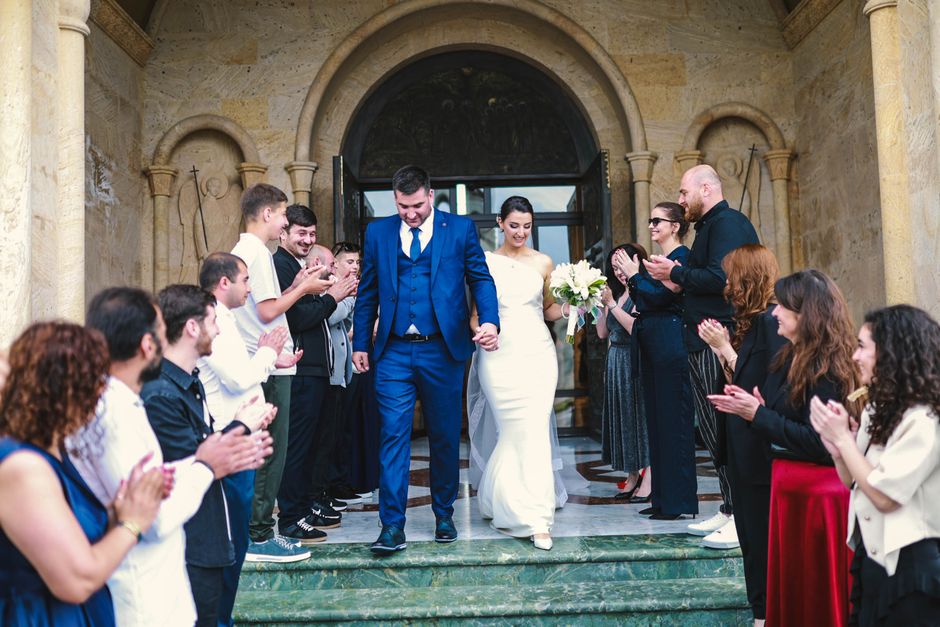
Step by step bouquet care for UK wedding guests
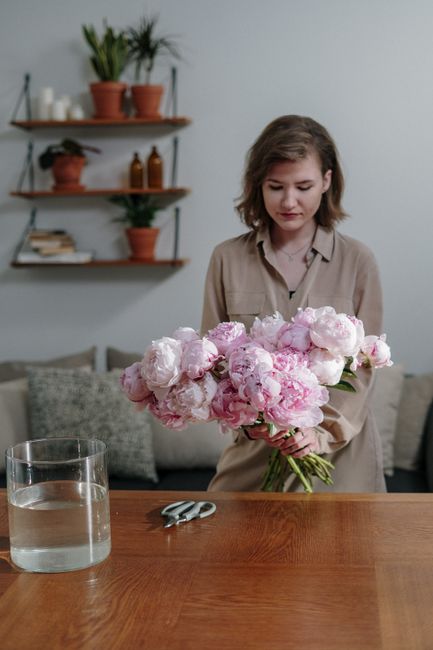
If you have ever been handed a wedding bouquet and then quietly wondered, "Right... what do I do with this now?", you are in good company. Step by step bouquet care for UK wedding guests is mostly about keeping flowers fresh, intact, and comfortable to hold through a long day that can involve travel, photos, hugs, cocktails, and possibly a brisk walk between church and reception. The good news? You do not need florist-level knowledge to do it well. A few sensible habits make a big difference, and they are easy to follow even if the day is busy.
This guide walks you through what bouquet care looks like for guests in the UK, why it matters, and how to avoid the small mistakes that make flowers droop sooner than they should. You will also find a checklist, comparison table, and practical tips for different weather and venue situations. If you are planning ahead, it can help to browse flower care advice as a useful starting point, and if you want to understand the wider florist experience, the about us page gives a sense of the values behind the flowers.
Why Step by step bouquet care for UK wedding guests Matters
A wedding bouquet is not just a pretty prop. It is part of the ceremony, part of the photographs, and for many guests, part of a very emotional moment. Flowers are also delicate. They respond quickly to heat, cold, rubbing, squeezing, and plain old neglect. If you have ever seen a bouquet looking lovely at the start of the day and a bit tired by late afternoon, you already know the issue.
For UK wedding guests, bouquet care matters even more because our weather likes to keep things interesting. One minute you are in a cool stone church; the next you are in a packed marquee with warm air and people moving everywhere. Then there is the classic British dash from car park to venue in drizzle. Not exactly a spa day for roses.
Good bouquet care helps preserve:
- freshness and shape for photographs
- petals and foliage from bruising
- comfort when carrying the bouquet for long periods
- the couple's floral investment, which is no small thing
It also shows respect. That sounds formal, but it really is just about treating the bouquet as part of the occasion, not a handheld afterthought. A guest who handles flowers gently tends to enjoy them more too. Funny how that works.
How Step by step bouquet care for UK wedding guests Works
The basic idea is simple: keep the bouquet hydrated where possible, protect it from damage, and minimise stress. That means careful carrying, sensible timing, and a few small checks before you leave for the venue. In practical terms, bouquet care works in three stages.
1. Before the wedding starts
The bouquet should ideally arrive fresh, properly conditioned, and kept somewhere cool before use. If you are collecting flowers on the day, avoid leaving them in a warm car while you finish other errands. It sounds obvious, but people do it all the time.
2. During the ceremony and reception
Hold the bouquet by the stems or the wrapped base, not by the flower heads. Keep it upright where possible. If there is a pause before photos, rest it carefully on a clean surface rather than stuffing it under an arm or placing it near radiators, sunlight, or drinks.
3. After the key moments
Once the main photos are done, the bouquet may be moved, displayed, or handed over depending on the role it plays in the day. If you are a guest simply carrying flowers that have been given to you, the best move is to place them in water as soon as practical. To be fair, flowers are a bit like people after a long journey: they perk up fast when they get a drink and some space.
For delivery-related timing, it can help to understand how a florist handles dispatch and arrival. The page on delivery information and the dedicated flower delivery service are useful if you are arranging flowers ahead of an event and want to reduce last-minute stress.
Key Benefits and Practical Advantages
When bouquet care is done well, the benefits are immediate and very visible. You do not need a florist's toolkit to get them either. A little attention goes a long way.
- Better appearance in photos: Fresh petals and tidy stems look more elegant, especially in close-ups.
- Less damage: Gentle handling reduces bent stems, crushed blooms, and water stains.
- Longer vase life: If the bouquet is kept hydrated after the wedding, it can last beyond the event itself.
- Less awkward faff: Knowing what to do with the flowers means one less thing to think about.
- Better guest etiquette: You look thoughtful without trying too hard.
There is also an emotional benefit, which people often overlook. Flowers mark a moment. If they are well cared for, they stay part of that memory a little longer. That matters at weddings, where details pile up quickly and the small beautiful things are often the ones people remember most.
Expert summary: The simplest bouquet care rule for wedding guests is this: keep the flowers cool, upright, hydrated when possible, and away from pressure or heat. Everything else is supporting detail.
Who This Is For and When It Makes Sense
This advice is useful for more people than you might think. It is not only for bridesmaids or close family. In many UK weddings, guests may be asked to carry flowers, accept a hand-tied bouquet, or transport arrangements between venues. Sometimes a bouquet is gifted at the end of the day. Sometimes it is part of a seating area or a table display that someone is asked to move. The same care principles apply.
It makes sense if you are:
- a wedding guest carrying a bouquet during the ceremony
- a bridesmaid or helper holding flowers for a long stretch
- someone collecting flowers from a florist before the event
- a guest taking bouquet leftovers home after the reception
- a family member helping to store or transport flowers between venues
It is also useful if you are planning the wedding itself and want to brief guests or helpers properly. A tiny bit of guidance saves a lot of wilted roses later on. If you are dealing with multiple guests or a bigger event, the corporate accounts page can be relevant for larger-scale ordering needs, even though the setting here is a wedding rather than a boardroom. The underlying idea is the same: consistent handling keeps flowers looking their best.
Step-by-Step Guidance
Here is the practical part. Keep it simple. Keep it calm. No one wants a bouquet drama on the day.
Step 1: Check the bouquet as soon as you receive it
Look for obvious issues such as loose stems, crushed petals, or excess water leaking from the wrap. If the bouquet has been delivered, make sure it has not been left in direct sunlight, a cold porch, or crushed in a packed bag. A quick visual check takes seconds and can save the arrangement.
Step 2: Remove packaging carefully if instructed
Some bouquets arrive in protective wraps that should stay in place until just before the event. Others can be lightly unpacked to help them breathe. Follow the florist's handling notes if any are supplied. If not, use common sense: remove only what is clearly unnecessary and keep the stems supported.
Step 3: Keep the stems hydrated
If the bouquet has a water source, leave it in place until you need to carry it. If the stems are cut and ready for a vase, place them in clean water straight away. Refresh the water if the bouquet is going to sit for a while. Simple, but absolutely worth doing.
Step 4: Hold the bouquet correctly
Hold it by the stems, lower section, or wrapped base. Avoid gripping the flower heads or letting the bouquet flop forward. That puts pressure on petals and can break delicate blooms. It also makes the flowers look a bit tired in photos, which nobody wants.
Step 5: Protect it from heat, cold, and wind
UK weather can swing from damp to windy to uncomfortably warm, sometimes all in one afternoon. Keep the bouquet out of direct sun and away from heaters. In cold weather, do not leave it in the car boot for long. In a breeze, shield it with your body rather than letting petals flap around. That sounds fussy, but it works.
Step 6: Plan transport sensibly
If you need to travel with the bouquet, place it in a secure box, vase, or upright holder if available. Do not let it roll around the passenger seat or sit under coats and handbags. Small movement causes bruising, and the damage is rarely dramatic at first. It just sneaks up on you.
Step 7: Pause before photographs
Before posed photos, smooth the wrapping if needed and remove stray leaves or damp tissue if the florist has advised you to do so. Keep your hands relaxed. Stiff fingers make bouquets look awkward, and nobody needs that kind of tension on a happy day.
Step 8: Place the bouquet safely during the reception
When you are not carrying it, place the bouquet in a vase of clean water or hand it to someone who can store it properly. If there is a wait between ceremony and dinner, check it once or twice. A quick stem trim is not usually necessary during the event, but clean water and a cool spot make a real difference.
Step 9: Rehydrate it after the wedding
If you take the bouquet home, recut the stems lightly at an angle, remove any leaves below the water line, and put it in a clean vase. This is the part guests often skip, then wonder why the flowers fade faster than expected. Honestly, it is usually just a water issue.
Expert Tips for Better Results
These are the little things that tend to separate "still lovely at 10 pm" from "already drooping by the speeches".
- Use cool water, not icy water: Room-temperature or cool water is usually kinder for mixed bouquets.
- Keep flowers away from fruit bowls: Ripening fruit can speed up ageing in some blooms. Not always top of mind, but relevant if the bouquet is going home.
- Mind the wrapping: Decorative wrap can look elegant, but if it gets soggy it can stain ribbons or petals. Keep a tissue nearby.
- Avoid repeated hand-to-hand passing: Every transfer increases the chance of crushing or twisting stems.
- Ask before rearranging: Some bouquets are designed to sit a certain way. A quick tweak can help, but too much fiddling is usually a mistake.
One practical trick, especially for summer weddings, is to keep a clean cloth or napkin in your bag. Nothing fancy. Just enough to dab moisture, protect your outfit, or steady the bouquet for a minute. Small, ordinary things. They save the day more often than you might think.
Also, if you want reassurance about the florist's standards, the pages on guarantees and sustainability are worth reading. They help set expectations around quality, care, and responsible sourcing, which many wedding guests appreciate even if they do not say it out loud.
Common Mistakes to Avoid
Most bouquet damage is not dramatic. It is cumulative. A little pressure here, a warm car there, a splash of water on the wrong petal, and suddenly the arrangement looks more "late afternoon tired" than "freshly cut and elegant".
- Holding the bouquet too tightly: This crushes stems and limits airflow.
- Leaving it in the car: Temperatures rise and fall quickly, especially during short stops.
- Setting it near radiators or open windows: Heat and draughts are both unhelpful.
- Overhandling the petals: Fresh blooms bruise easily.
- Adding water to the wrong wrap: Some decorative wraps are not designed to stay wet.
- Ignoring florist instructions: If you received care notes, use them. They are there for a reason.
There is also a social mistake: assuming someone else will deal with the bouquet automatically. At weddings, everyone is busy. If you are the person holding the flowers, take quiet ownership of them. No need to make a speech about it. Just do the small things well.
Tools, Resources and Recommendations
You do not need a kit bag full of specialist gear. A few basic items are enough for most UK wedding situations.
| Item | Why it helps | Best use |
|---|---|---|
| Clean vase | Keeps stems upright and hydrated | At home, hotel rooms, or when the bouquet is waiting between events |
| Small bottle of water | Useful for topping up stems if needed | Transport or after photos |
| Soft tissue or cloth | Dabs moisture and protects fabric | In rain, heat, or around damp wrapping |
| Scissors or secateurs | For a light stem trim later in the day | After the event, not usually during it |
| Clean box or carrier | Prevents the bouquet rolling around | Travel between home, hotel, church, and venue |
On the service side, a helpful companion page is returns and refund information, especially if a bouquet arrives damaged or not as expected. That is not the happy path, obviously, but knowing the process removes uncertainty. Likewise, contact options are useful if you need a quick answer before the day, rather than a vague guess and a bit of panic.
If you are still choosing where to order, reviewing the florist's flower delivery options and general delivery details can help you judge timing, reliability, and whether the bouquet is likely to arrive in wedding-ready condition.
Law, Compliance, Standards, or Best Practice
For wedding guests, bouquet care is mostly about best practice rather than legal compliance. There is no special rulebook for holding roses at a ceremony, thankfully. Still, a few practical standards matter in the UK florist world.
First, florists and delivery businesses are generally expected to handle flowers in a way that preserves quality and meets the description given at purchase. If a bouquet is delivered, the condition on arrival, the packaging, and any care guidance should be sensible and clear. If something goes wrong, consumers usually rely on the seller's stated terms, guarantees, and refund process. The details differ by business, so always read the applicable terms and conditions before placing an order.
Second, if you are collecting or transporting flowers yourself, good practice means protecting the arrangement from avoidable damage and storing it appropriately. That is not a legal duty in the strict sense for guests, but it is the sensible way to preserve the bouquet.
Third, ethical and transparency pages such as modern slavery statement and the already mentioned sustainability information can matter to couples and families who care about sourcing. Not because every guest needs to audit the supply chain on the wedding morning, of course, but because responsible buying is increasingly part of the decision process.
For visitors who need website accessibility support while checking practical information, the accessibility statement can be helpful. Clear access to care, delivery, and policy details makes the whole experience less stressful. That alone is a mark of good service.
Options, Methods, or Comparison Table
There are a few ways guests may need to care for a bouquet, depending on the wedding setup. The best method depends on how long you will hold it, how far you travel, and whether you can access water.
| Method | Best for | Pros | Watch out for |
|---|---|---|---|
| Keep in water until needed | Waiting before the ceremony or between venues | Best freshness, minimal stress | Needs a safe, stable spot |
| Dry hold by stems | Walking, photos, short events | Easy and practical | Do not squeeze the blooms |
| Upright travel container | Transport in a car or taxi | Reduces rolling and bruising | Needs planning beforehand |
| Loose wrap for short carrying only | Brief handover moments | Convenient and neat | Can trap moisture if left too long |
In plain English: if the bouquet can sit in water safely, that is usually the best choice. If not, hold it gently by the stems and keep the day moving. No heroics required.
Case Study or Real-World Example
Picture a spring wedding in Surrey, with a church ceremony in the late morning and a barn reception later in the afternoon. The guest carrying the bouquet is one of the bridesmaids, and there is a fair amount of waiting around between the two locations. The weather is cool but bright, with a bit of wind when the doors open. Very British, really.
What worked well? The bouquet stayed in water until just before the ceremony. During the drive, it was kept upright in a secure box rather than sitting loose on a seat. After the ceremony, it was held by the wrapped base, not the blooms, during photos. Once the main pictures were done, it was placed in a vase at the reception entrance, away from direct sun and away from the busy drinks table.
The result was simple but noticeable. The flowers still looked fresh at dinner, the petals held their shape, and the bouquet showed up beautifully in the photographs. Nothing fancy. Just a chain of small sensible choices. That is usually how it goes.
Practical Checklist
Use this quick checklist before and during the wedding day. It is the kind of list that quietly saves you from hassle.
- Check whether the bouquet should stay wrapped or be unpacked
- Keep it in water until you actually need to carry it
- Hold it by the stems or wrapped base, not the flower heads
- Protect it from direct sun, heaters, and cold draughts
- Use a stable container if you need to travel with it
- Keep hands clean and dry before touching petals
- Place it in a vase as soon as practical after key moments
- Refresh water if it will wait for a while
- Follow any florist care notes you were given
- Trim stems lightly at home if you are taking it home afterward
If you can tick off most of those, you are already doing better than many people do. And that is perfectly fine. Weddings are full. People forget things. The flowers do not need perfection; they need a bit of care.
Get a free quote today and see how much you can save.
Conclusion
Step by step bouquet care for UK wedding guests is really about a mindset: treat the flowers like something valuable, because they are. Keep them cool, supported, hydrated when possible, and gently handled through the day. That simple approach protects their shape, keeps photos looking polished, and makes the bouquet feel part of the occasion rather than a detail you have to rescue later.
If you are planning ahead, the smartest move is to understand the florist's guidance before the wedding day, not halfway through it. A quick look at delivery, care, and policy pages can remove guesswork and help you feel calm when the moment arrives. Small effort. Big difference.
And honestly, that is what good wedding flower care is at heart: a few calm choices, made at the right time, so the bouquet can do its job beautifully. Sometimes that is all it takes.
Frequently Asked Questions
How do wedding guests keep a bouquet fresh all day?
Keep it in water until needed, hold it by the stems, and store it away from heat and direct sun. If the bouquet must travel, keep it upright and secure rather than loose in a bag or car seat.
Should a bouquet be left in its wrapping?
Only if the florist's instructions say so or if the wrap is helping the bouquet stay hydrated. If the wrap becomes soggy or traps moisture too long, it can shorten freshness.
Can I put a wedding bouquet in the fridge?
Sometimes, but only if there is space and the bouquet is kept away from fruit and food odours. For most guests, a cool room is simpler and safer than trying to squeeze flowers into a shared fridge.
What is the best way to carry a bouquet during photos?
Hold it low and relaxed by the stems or wrapped base. Avoid clutching the flower heads. That keeps the arrangement neat and also looks more natural in pictures.
How long can a bouquet go without water?
It depends on the flowers, temperature, and how well they were conditioned beforehand. Some blooms cope for a few hours; others start to fade sooner. The safest approach is to keep exposure out of water as short as possible.
What should I do if the bouquet starts wilting at the venue?
Move it to a cool place, refresh the water if available, and keep it away from heat or sunlight. If the bouquet is very soft, the issue may simply be temperature stress rather than permanent damage.
Is it rude to ask for care instructions?
Not at all. In fact, it is sensible. A quick question before the event can prevent damage later. Most florists and hosts appreciate someone taking the flowers seriously.
Do I need special tools to care for a wedding bouquet?
No. A clean vase, a little water, and a soft cloth are enough for most situations. Scissors or secateurs can help later if you are taking the flowers home, but they are not essential on the day itself.
What if the bouquet was delivered damaged?
Take a careful look as soon as it arrives and follow the seller's stated process. Keep packaging where possible and contact the florist promptly. The returns and refund information on the site is the best place to check the expected next step.
Can guests take a bouquet home after the wedding?
Yes, often they can, as long as the host is happy for it to be taken. If you do take it home, place it in fresh water quickly and trim the stems lightly for better vase life.
Are there any UK-specific rules for bouquet care?
Not for guests in a legal sense. The key UK considerations are practical ones: weather, travel, venue timing, and the florist's own care guidance. If you follow those, you are on solid ground.
Where can I find more guidance on caring for flowers after a wedding?
The site's flower care page is a practical place to start, especially if you want to keep bouquets fresh after the day and understand basic flower handling better.